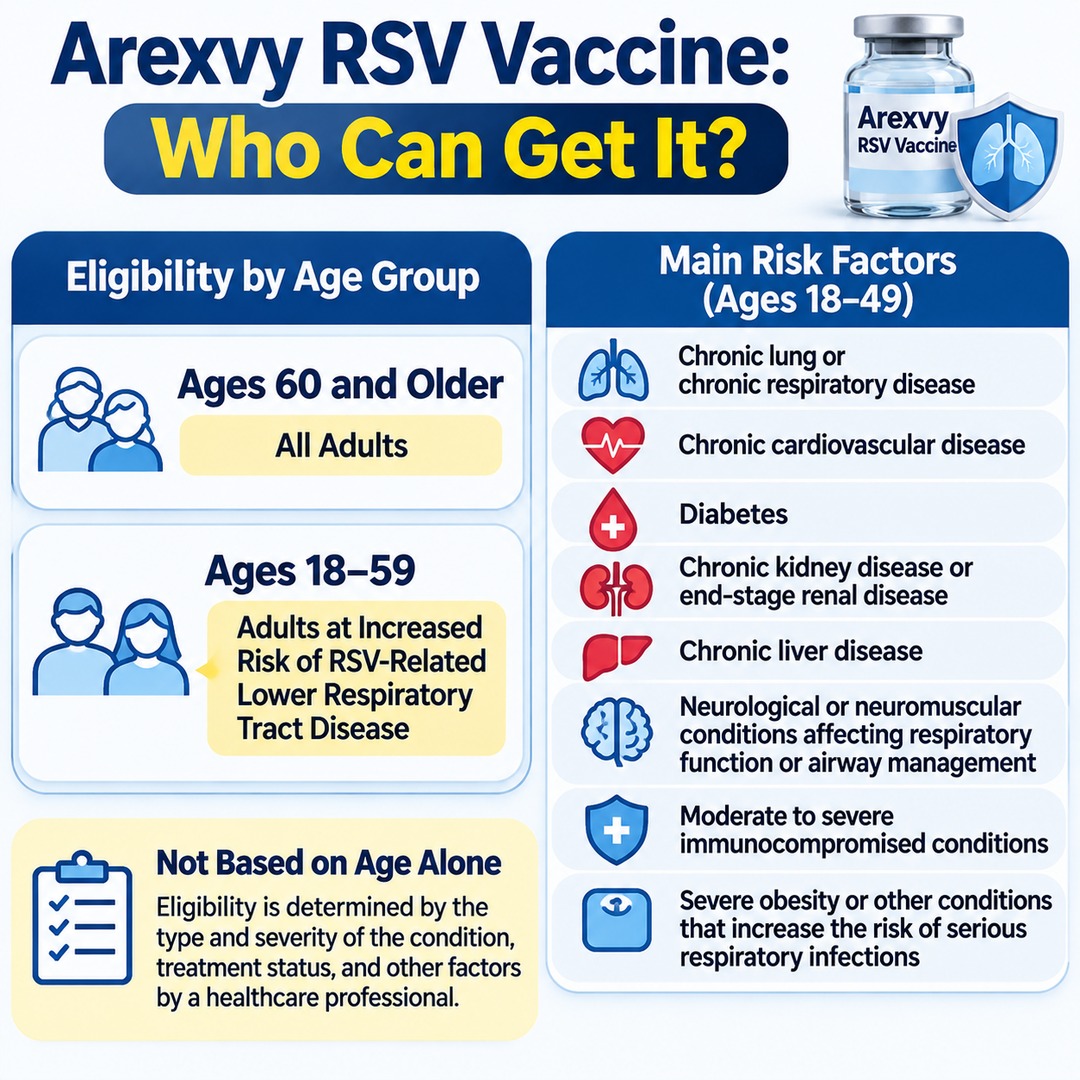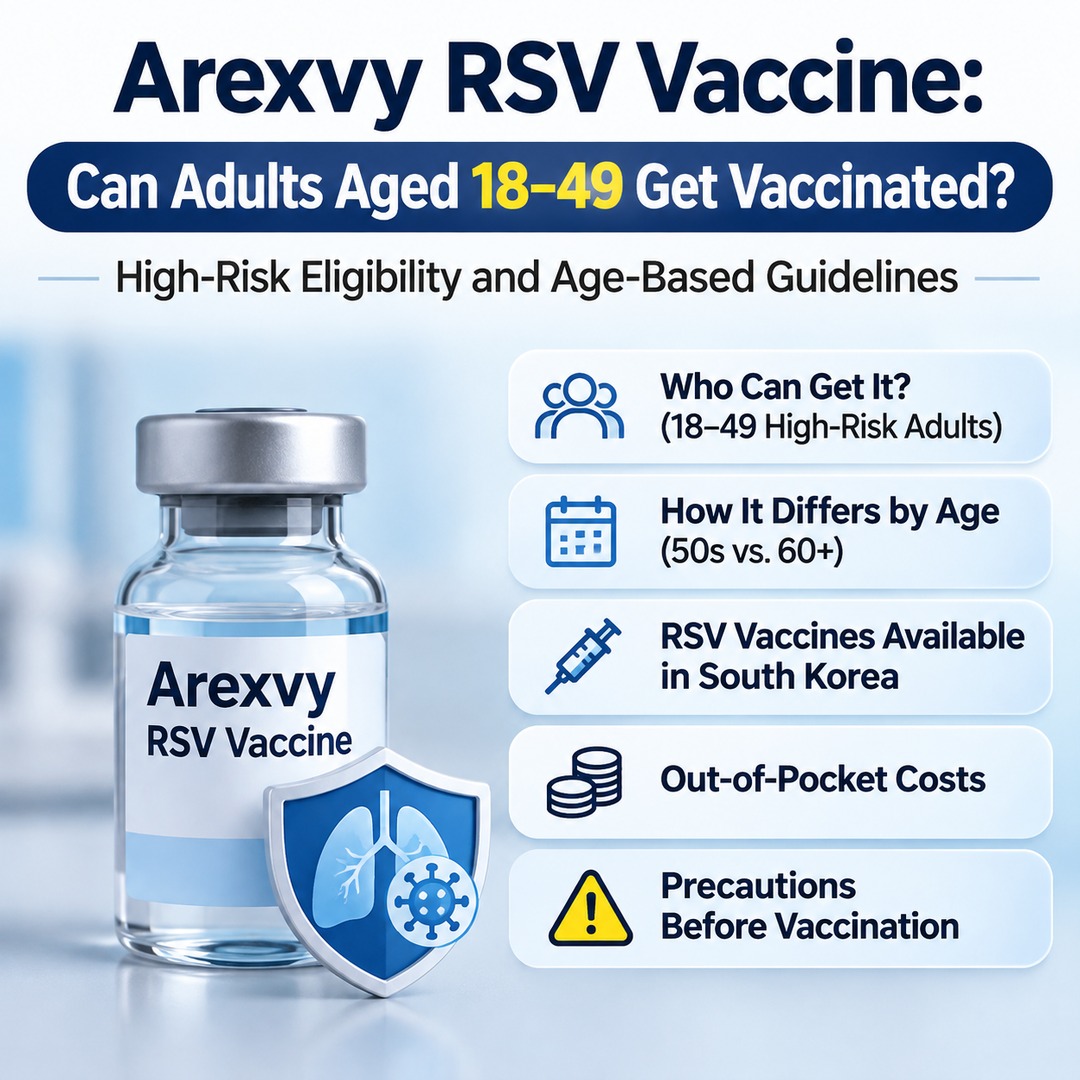
The RSV vaccine Arexvy may also be available to adults aged 18–49 who meet high-risk criteria. Following an expansion of its approved indications in South Korea in July 2026, the eligibility categories are divided into all adults aged 60 and older and adults aged 18–59 who are at increased risk of RSV-related lower respiratory tract disease. Eligibility is not determined by age alone; underlying medical conditions and overall health must also be considered.
When Can Adults Aged 18–49 Receive Arexvy?
Adults aged 18–49 are included in Arexvy's approved indication if they are at increased risk of lower respiratory tract disease caused by RSV. Although the vaccine was previously associated primarily with older adults, the expansion of its approved indication in South Korea in July 2026 also made certain younger high-risk adults eligible.
RSV, or respiratory syncytial virus, can cause symptoms similar to those of the common cold. However, in some adults, the infection can progress to lower respiratory tract diseases, including pneumonia. People with chronic medical conditions or weakened immune systems may wish to discuss the potential need for vaccination with their healthcare providers.
The main risk factors considered for adults aged 18–49 include:
Chronic lung disease or chronic respiratory disease
Chronic cardiovascular disease
Diabetes
Chronic kidney disease or end-stage renal disease
Chronic liver disease
Neurological or neuromuscular conditions that affect respiratory function or airway management
Moderate to severe immunocompromised conditions
Conditions such as severe obesity that increase the risk of serious respiratory infections
Having one of these conditions does not automatically qualify someone for vaccination. Healthcare professionals must assess the type and severity of the condition, treatment status, and other relevant factors.
In particular, uncomplicated hypertension should not be treated as equivalent to chronic cardiovascular disease. Similarly, a diabetes diagnosis alone is not sufficient to determine eligibility; complications and treatment status should also be considered.
How Do the Rules Differ for Adults Aged 50–59 and Those Aged 60 or Older?
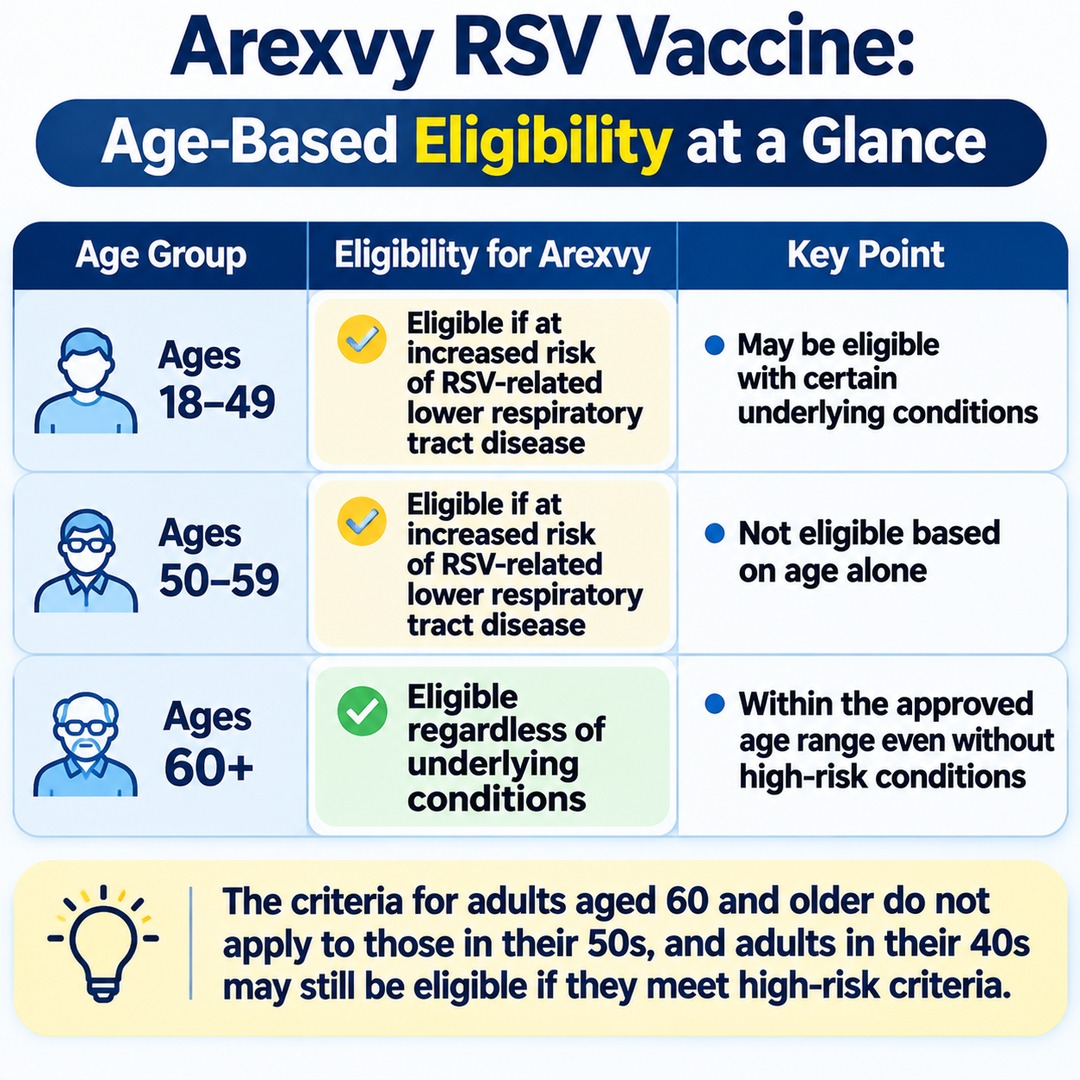
The approved age-based indications for Arexvy in South Korea can be understood in three groups.
| Age group | Approved vaccination eligibility |
|---|---|
| 18–49 | Adults at high risk of RSV-related lower respiratory tract disease |
| 50–59 | Adults at high risk of RSV-related lower respiratory tract disease |
| 60 and older | All adults |
Adults aged 50–59 do not qualify based on age alone. They must meet the criteria for increased risk of RSV-related lower respiratory tract disease.
By contrast, adults aged 60 and older fall within the approved age range even if they have no high-risk underlying medical conditions.
Therefore, people in their 50s should not assume that the eligibility criteria for adults aged 60 and older also apply to them. Likewise, adults in their 40s do not need to assume that vaccination is unavailable simply because previous guidance focused primarily on older adults.
Does Having a Chronic Condition Automatically Make Someone High-Risk?
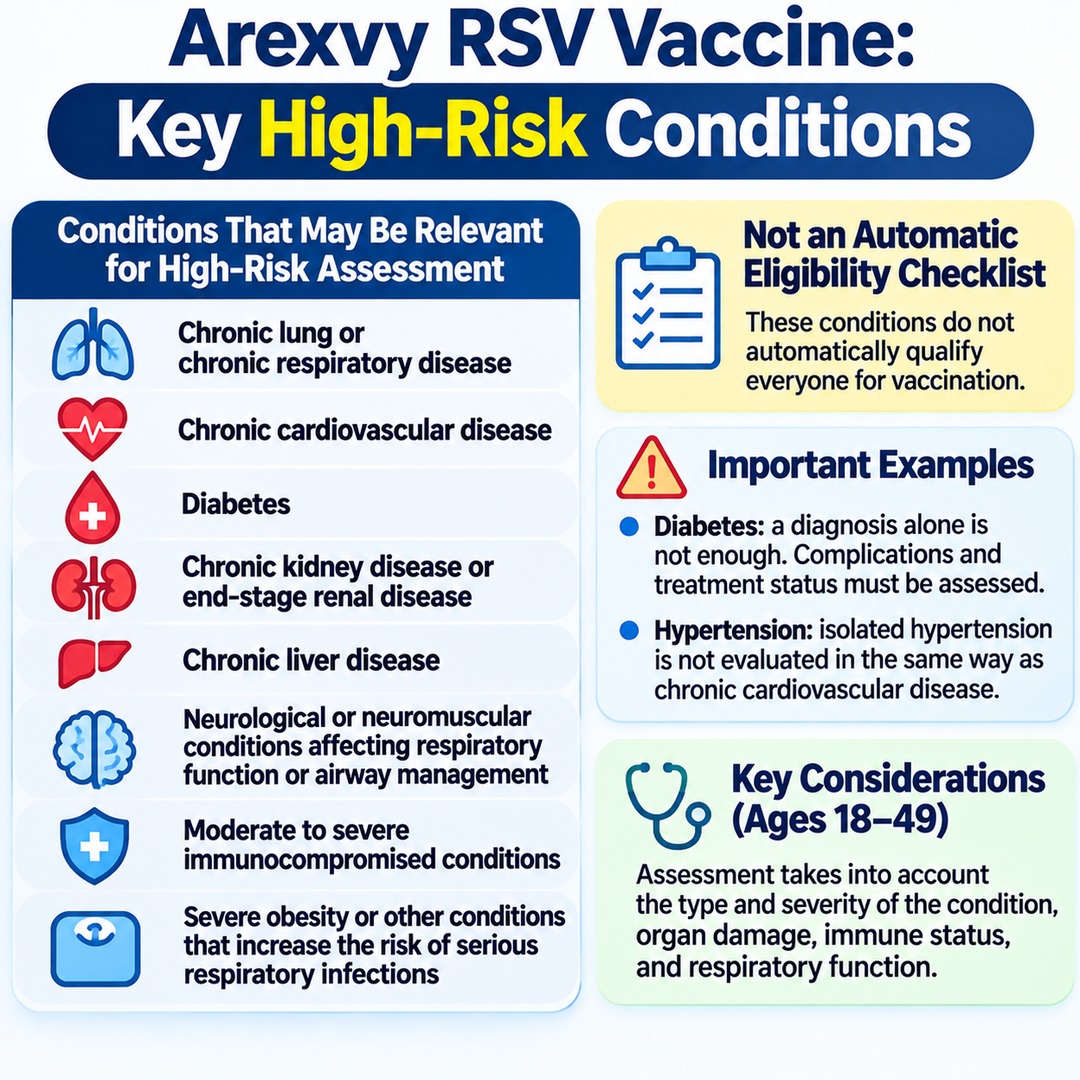
Not all chronic conditions are classified as carrying the same level of risk. Actual eligibility assessments consider not only the type of condition but also its severity, whether it has caused organ damage, immune status, and respiratory function.
The following conditions may be relevant when assessing high-risk status:
| Health condition | Factors to consider |
|---|---|
| Chronic respiratory disease | Chronic obstructive pulmonary disease (COPD), asthma, and similar conditions |
| Cardiovascular disease | Heart failure, coronary artery disease, and similar conditions |
| Diabetes | Organ damage and whether treatment such as insulin is required |
| Kidney disease | End-stage renal disease and whether the patient receives dialysis |
| Liver disease | Type and severity of chronic liver disease |
| Immunocompromised conditions | Reduced immune function caused by a disease or immunosuppressive treatment |
| Neurological or muscular conditions | Impaired ability to clear airway secretions or reduced respiratory muscle function |
| Other risk factors | Severe obesity, frailty, or residence in a long-term care facility |
It is important to understand that this list is not an automatic vaccination eligibility checklist that applies identically to everyone.
For example, having diabetes does not necessarily mean someone qualifies for vaccination. Diabetes-related complications and treatment status must be assessed. Isolated hypertension should also not be evaluated using the same criteria as chronic cardiovascular disease.
For adults aged 18–49 in particular, the severity of underlying conditions and their actual health status are important considerations.
Which RSV Vaccines Are Actually Available in South Korea?
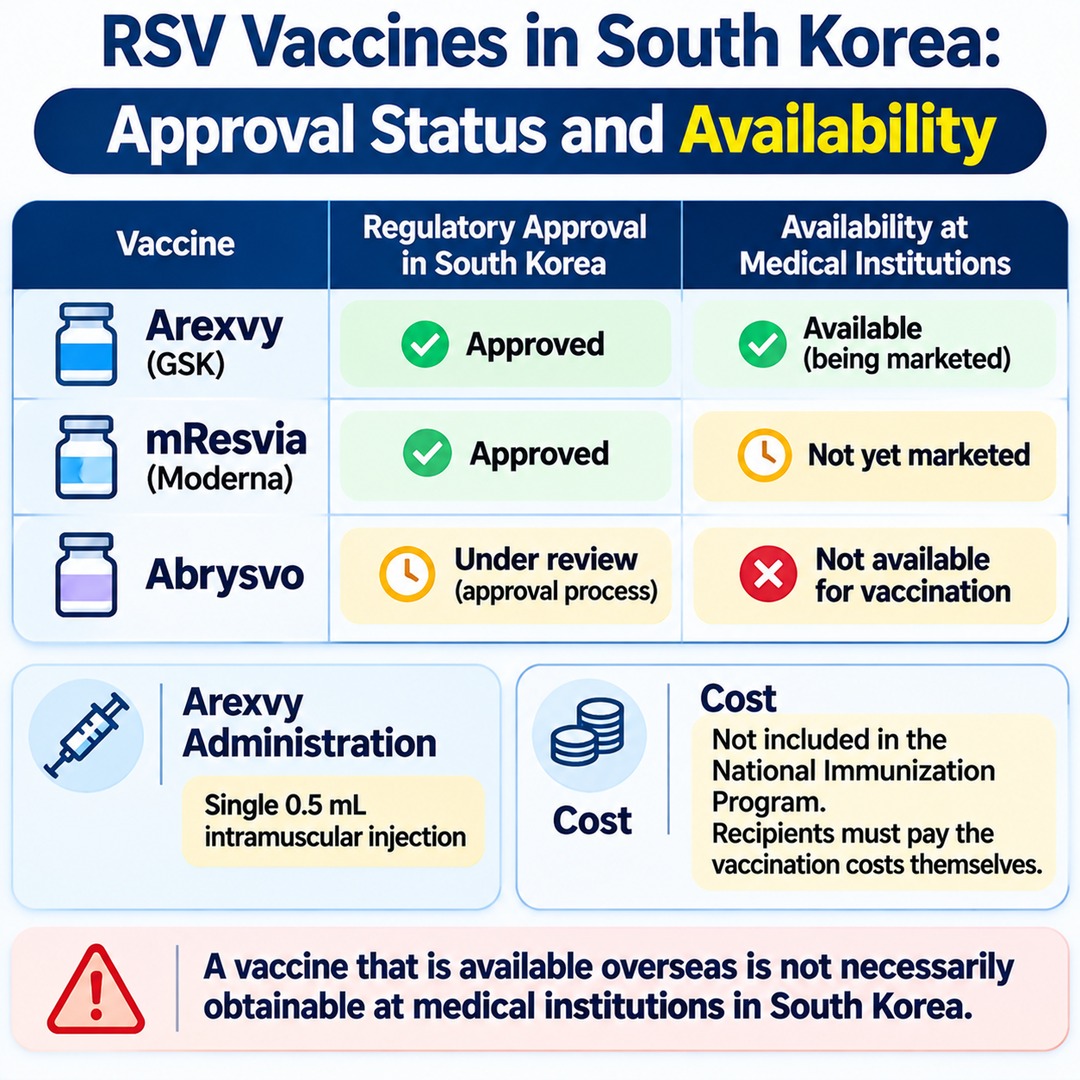
It is important to distinguish between vaccines that have received regulatory approval in South Korea and those that are actually available through medical institutions. According to a product availability overview published in a Korean medical journal in October 2026, Arexvy and mResvia had received domestic approval, but Arexvy was the product actually being marketed at that time.
Arexvy: A vaccine developed by GSK and an adult RSV vaccine available for vaccination in South Korea.
mResvia: Moderna's mRNA-based RSV vaccine. It had received approval in South Korea but was not yet being marketed at that time.
Abrysvo: A product undergoing regulatory approval review in South Korea. It should not be considered a vaccine currently available for vaccination in the country.
Therefore, the fact that a particular RSV vaccine is available overseas does not mean that the same product can also be obtained at medical institutions in South Korea.
Arexvy is administered as a single 0.5 mL intramuscular injection. It is not currently included in South Korea's National Immunization Program, so even people who meet the high-risk criteria should not assume they are eligible for free vaccination. Recipients must pay the vaccination costs themselves.
What Should You Check Before Receiving Arexvy?
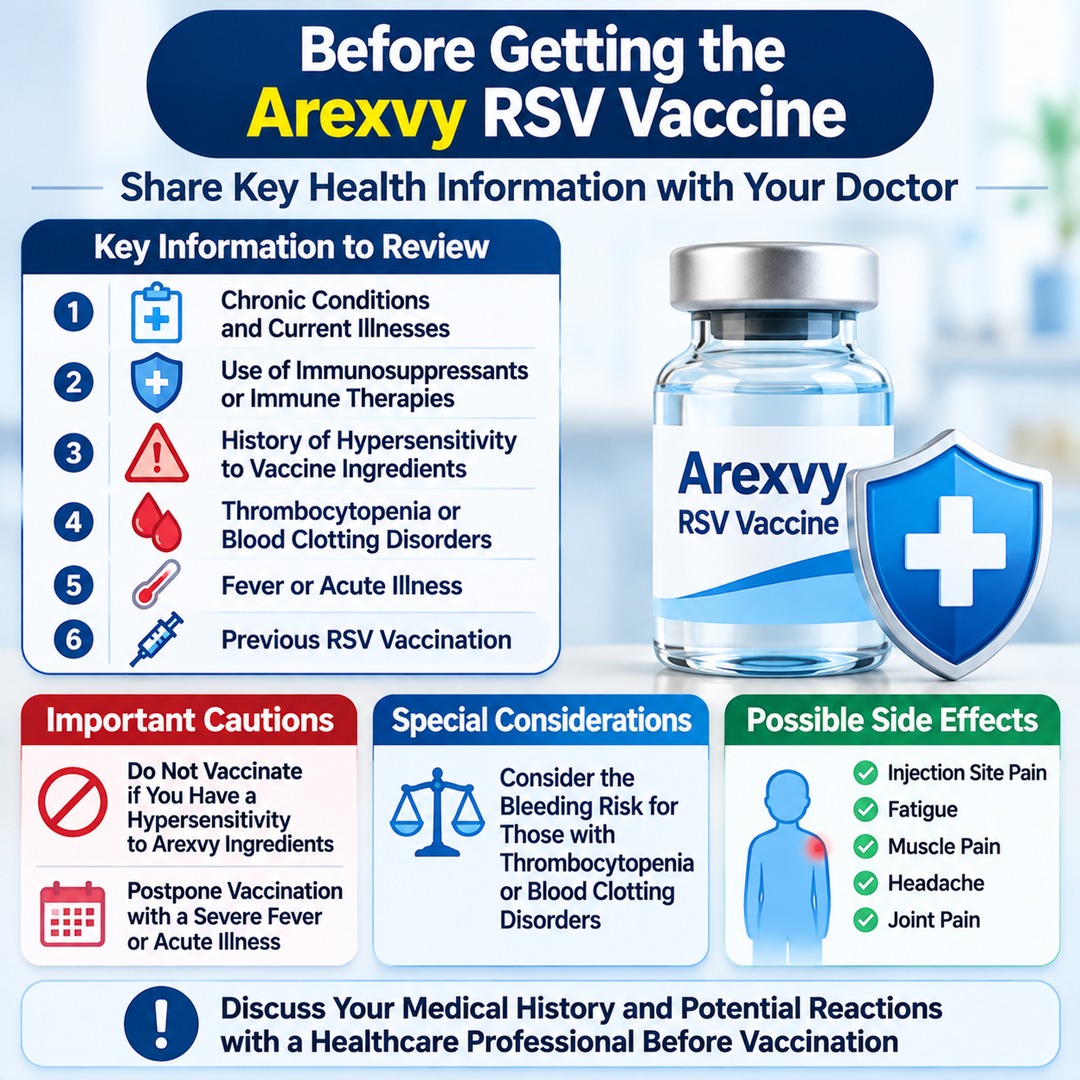
Before deciding to get vaccinated, inform your healthcare provider about your age, underlying medical conditions, current health status, and medications or treatments you are receiving.
In particular, it is advisable to review the following:
1. Chronic conditions you have been diagnosed with and any illnesses currently being treated
2. Whether you are taking immunosuppressants or receiving immune-related treatment
3. Any history of hypersensitivity to vaccine ingredients
4. Whether you have thrombocytopenia or a blood-clotting disorder
5. Whether you currently have a fever or acute illness
6. Your previous RSV vaccination history
People with hypersensitivity to Arexvy's ingredients should not receive the vaccine. Vaccination should be postponed in the presence of an acute severe febrile illness. For people with thrombocytopenia or blood-clotting disorders, the potential bleeding risk associated with intramuscular injection must be considered.
Possible side effects after vaccination include injection-site pain, fatigue, muscle pain, headache, and joint pain. The type and severity of adverse reactions can vary from person to person, so it is advisable to discuss potential reactions with a healthcare professional before vaccination.
How Should Adults Aged 18–49 Ask a Clinic About Eligibility?
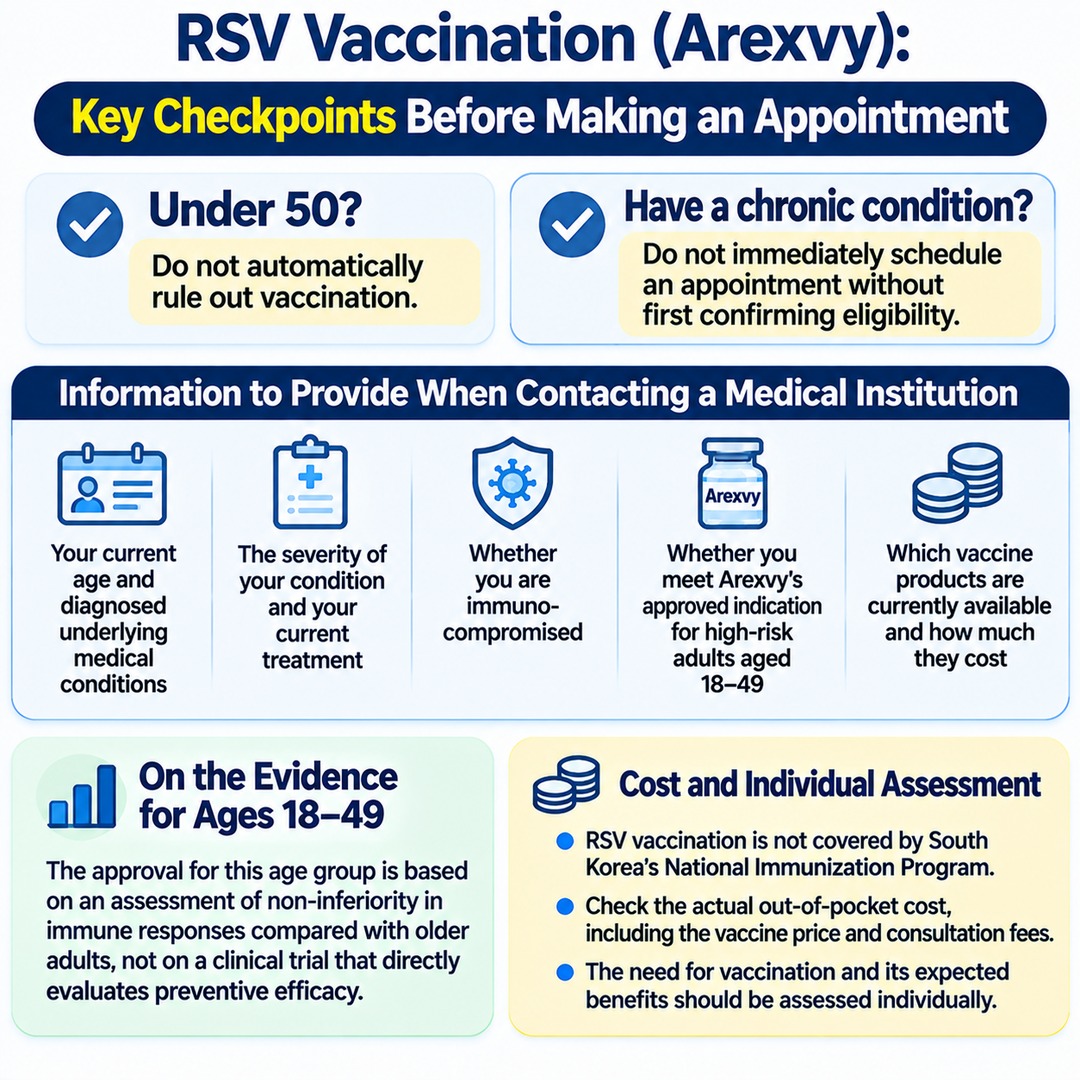
Being under 50 does not mean you should automatically rule out vaccination. Conversely, having a chronic condition does not mean you should immediately schedule an appointment without first confirming eligibility.
When contacting a medical institution, provide the following information:
Your current age and diagnosed underlying medical conditions
The severity of your condition and your current treatment
Whether you are immunocompromised
Whether you meet Arexvy's approved indication for high-risk adults aged 18–49
Which vaccine products are currently available and how much they cost
In particular, the clinical preventive benefits of vaccination in high-risk adults aged 18–49 should not be interpreted as having been directly established in exactly the same way as in older adults. The approval evidence for this age group includes an assessment of non-inferiority in immune responses compared with older adults. This is different from a clinical trial that directly evaluates preventive efficacy in the younger age group itself.
Therefore, even if you have an underlying medical condition, the need for vaccination and its expected benefits should be assessed individually.
Because RSV vaccination is not covered by South Korea's National Immunization Program, it is also advisable to check the actual out-of-pocket cost, including the vaccine price and consultation fees, when making an appointment.
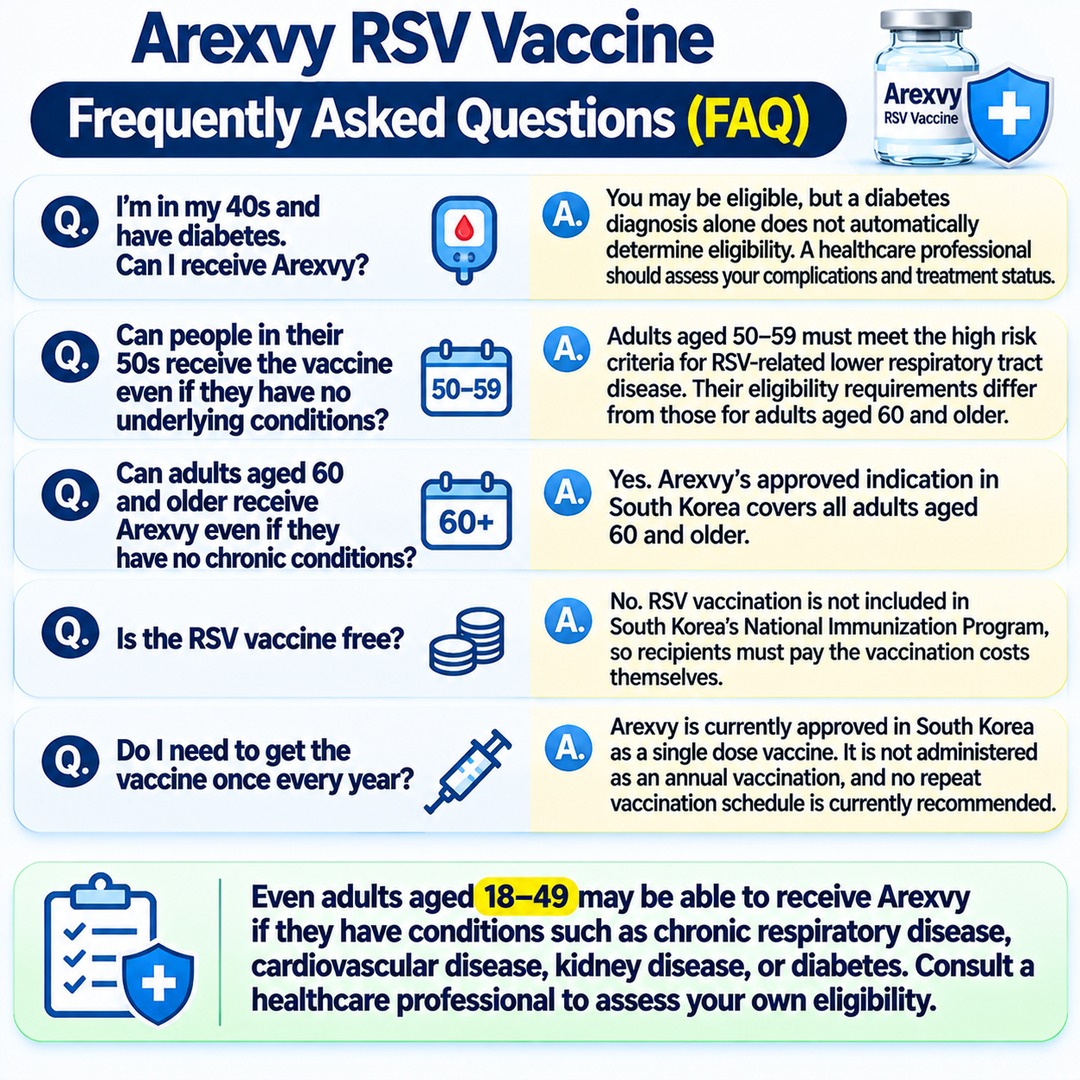
Frequently Asked Questions
Q. I'm in my 40s and have diabetes. Can I receive Arexvy?
You may be eligible, but a diabetes diagnosis alone does not automatically determine vaccination eligibility. A healthcare professional should assess your complications and treatment status.
Q. Can people in their 50s receive the vaccine even if they have no underlying medical conditions?
Adults aged 50–59 must meet the high-risk criteria for RSV-related lower respiratory tract disease. Their eligibility requirements differ from those for adults aged 60 and older.
Q. Can adults aged 60 and older receive Arexvy even if they have no chronic conditions?
Yes. Arexvy's approved indication in South Korea covers all adults aged 60 and older.
Q. Is the RSV vaccine free?
No. RSV vaccination is not included in South Korea's National Immunization Program, so recipients must pay the vaccination costs themselves.
Q. Do I need to get the vaccine once every year?
Arexvy is currently approved in South Korea as a single-dose vaccine. It is not administered as an annual vaccination, and no repeat vaccination schedule is currently recommended.
Even adults aged 18–49 may be able to receive Arexvy if they have conditions such as chronic respiratory disease, cardiovascular disease, kidney disease, or diabetes that increase their risk of severe RSV infection. Rather than relying solely on older guidance that focused on adults aged 50 and above, consult a healthcare professional about your own medical conditions and treatment status to determine whether vaccination is appropriate.